

Discover essential crystal cleaning benefits for homeowners! Learn how to maintain your crystals' beauty, protection, and energy effectively.
TL;DR:
- Crystals require regular physical cleaning to prevent buildup that dulls their appearance and causes irreversible damage.
- Energetic cleansing resets a crystal’s perceived energy, complementing physical maintenance without risk of harm.
Crystals accumulate more than you might expect. Oils from your hands, mineral deposits from tap water, airborne dust, and environmental residue all build up on crystal surfaces over time. Understanding the full range of crystal cleaning benefits goes beyond keeping your pieces looking pretty. It covers physical protection, extended lifespan, and for many people, meaningful energetic resets that affect how they use and connect with their crystals. This guide cuts through the confusion between physical cleaning and energetic cleansing, then gives you the practical knowledge to do both without damaging what you own.
Key Takeaways
| Point | Details |
|---|---|
| Physical cleaning restores brilliance | Regular removal of oils and mineral deposits prevents clouding and irreversible surface etching. |
| Energetic cleansing serves a distinct purpose | Methods like smoke or selenite slabs reset a crystal’s perceived energy, separate from physical care. |
| Material composition determines method | Soft crystals like selenite and malachite must never touch water; always verify hardness first. |
| Cleaning frequency matches usage | Daily-wear pieces need cleaning every two weeks; decorative display crystals can go monthly or less. |
| Wrong products cause permanent damage | Ammonia-based cleaners and high heat cause etching that cannot be reversed on crystal surfaces. |
Crystal cleaning benefits for appearance and longevity
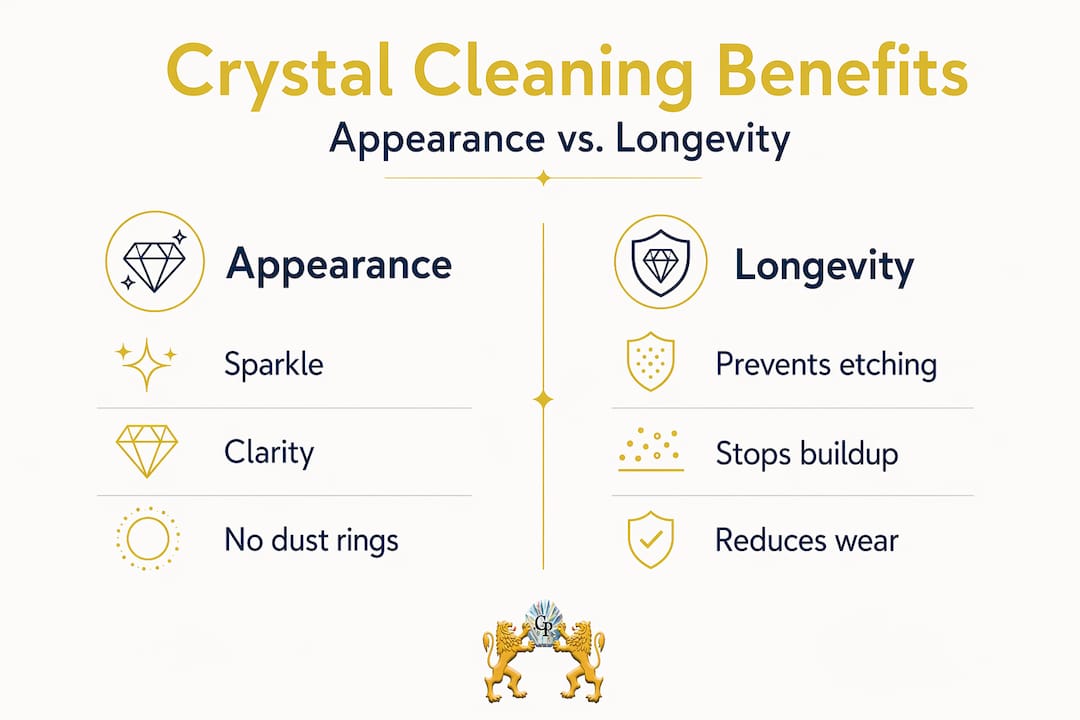
Your crystals are not self-maintaining. Quartz clusters develop a visible film after just weeks without attention, and that film is a combination of skin oils, dust, and airborne particles that dulls the surface you paid for. The good news is that consistent cleaning keeps that buildup manageable before it becomes a problem.
The most common residues on decorative and wearable crystals include:
- Mineral deposits from tap water that dry and leave white, chalky spots
- Body oils transferred through handling that attract dust and create a greasy film
- Environmental particles like cooking residue, smoke, and fine dust that settle into crevices
- Product transfer from perfumes, hairspray, and lotions that create a cloudy coating
Left unaddressed, these residues do not just look bad. Repeated exposure to alkaline conditions and high heat causes irreversible etching on crystal surfaces. That frosted, permanently dull appearance you see on improperly cared-for glassware is etching, and it cannot be polished away.
For restoring sparkle, the vinegar method is worth knowing. A 15-minute soak in a 1:3 solution of distilled white vinegar and distilled water reduces post-rinse water spotting by 92% compared to tap water rinses alone. Distilled water matters because tap water reintroduces the minerals you are trying to remove.
Pro Tip: Always dry crystal pieces immediately with a lint-free microfiber cloth after rinsing. Air drying allows water to evaporate unevenly, leaving mineral deposits right back where you started.
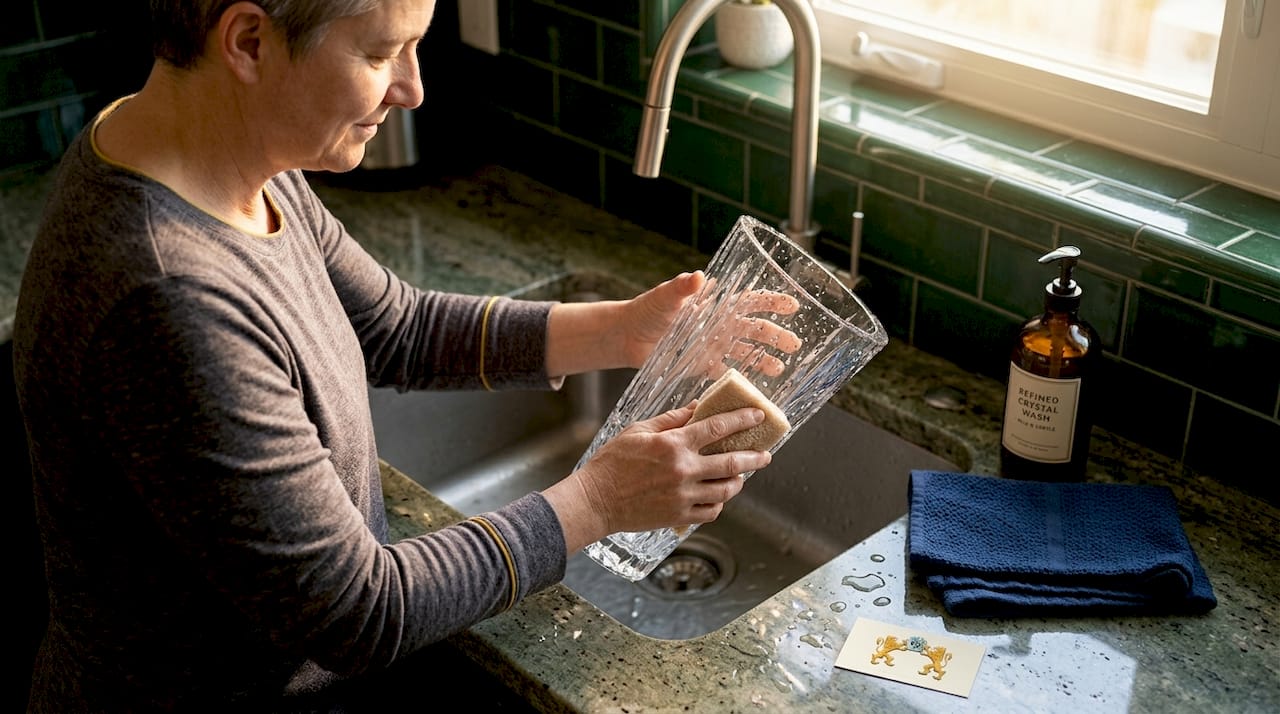
For most hard crystals, mild dish soap with lukewarm water and a soft sponge is the safest routine option. Skip abrasive materials, rinse thoroughly, and dry immediately. That combination handles the majority of everyday buildup without risk.
Energetic cleansing and why practitioners swear by it
Physical cleaning and energetic cleansing are not the same thing. This distinction matters because most crystal care misunderstandings come directly from conflating the two. You can have a physically spotless crystal that a practitioner would still consider energetically “full,” and conversely, you can energetically cleanse a crystal without touching it with water at all.
Energetic crystal cleansing treats the crystal as an object that absorbs and holds environmental and emotional energy over time. Cleansing is a ritualistic reset of that state, typically recommended after purchase, after heavy use, or following stressful periods. The idea is to return the crystal to a neutral state so that your intentions for it come through clearly.
Common energetic cleansing methods include:
- Smoke cleansing: Pass the crystal through herb smoke for roughly 30 to 60 seconds. Works for all crystal types and leaves no moisture.
- Selenite slab: Place the crystal on a selenite slab for 6 to 8 hours. No contact with water, no abrasion.
- Moonlight: Leave crystals on a windowsill or outside overnight under a full moon. Safe, passive, and effective for the intention-setting ritual many practitioners value.
- Sound cleansing: Use a singing bowl or tuning fork near the crystal. Sound vibrations last 5 to 10 minutes and are considered safe for all crystal types, including fragile or water-sensitive pieces.
“Cleansing a crystal isn’t about the method itself. It’s about the intention and consistency behind it. The method you choose matters less than the practice of doing it regularly and mindfully.”
For those approaching this with skepticism, treating energetic cleansing as a mindfulness ritual still holds real value. The act of deliberately handling and caring for your crystals reinforces attention and intention in your space. Whether or not you believe crystals store energy, the practice of regular crystal energy cleansing keeps you connected to what you have and attentive to its condition.
Safe cleaning practices: what to never do
Knowing what to avoid is at least as important as knowing what works. The wrong cleaning agent can permanently damage a crystal in minutes, and some household products seem harmless but are genuinely destructive on certain stone types.
| Crystal Type | Safe Methods | What to Avoid |
|---|---|---|
| Hard crystals (quartz, amethyst, citrine) | Soapy water, vinegar solution, microfiber dry | Dishwasher, abrasive scrubbers, high heat |
| Soft crystals (selenite, calcite) | Dry microfiber, selenite slab, smoke | Water of any kind, all chemical solutions |
| Porous crystals (malachite, turquoise) | Dry cloth, smoke, sound | Water, vinegar, soaking |
| Organic materials (amber, pearl, coral) | Dry cloth, damp cloth only briefly | Ammonia, bleach, acids, ultrasonic cleaners |
Ammonia-based cleaners can permanently etch or discolor soft and porous crystals, making Windex one of the worst choices for anything beyond hard glass. Bleach is similarly destructive. Even vinegar, as effective as it is for hard crystal and glass, must be diluted carefully and should never touch calcium-based stones like marble or calcite.
Water itself is the hidden danger many people miss. Selenite (Mohs hardness 2) and malachite should never be exposed to water because selenite will dissolve and malachite can release toxic residue when wet. This is not theoretical. Leaving selenite in a rinse bowl, even briefly, produces visible surface degradation.
Pro Tip: When you are unsure whether a crystal is water-safe, search its Mohs hardness rating. Generally, anything below Mohs 5 warrants extreme caution with water, and anything porous or layered should be treated as water-sensitive regardless of hardness.
For expert guidance tailored to specific crystal products at home, the crystal care guide at Crystalplace walks through choosing the right cleaning agents for different crystal types.
How to clean crystals based on type and use
The importance of crystal maintenance really comes through when you match your approach to the specific crystal in front of you. Follow these steps to build a cleaning routine that fits your collection.
-
Identify your crystal’s hardness and composition. Look up the Mohs hardness before applying any liquid. Hard crystals (Mohs 7 and above) like quartz and amethyst tolerate water well. Soft or porous crystals need dry or non-contact methods only.
-
Choose your physical cleaning method by category. For hard crystals, use lukewarm soapy water with a soft cloth. For medium-hardness pieces (Mohs 5 to 7), use a barely damp cloth. For soft or porous crystals, skip physical wet cleaning entirely and use a dry microfiber cloth to remove surface dust only.
-
Select a compatible energetic cleansing method. Smoke and sound work across all types. Moonlight is safe for all crystals. Water-based methods like river soaking are only appropriate for hard, non-porous stones and only in natural water sources, not tap water.
-
Dry immediately and thoroughly. Any moisture left on a crystal surface is an invitation for spotting or, in the case of soft stones, surface damage. A lint-free microfiber cloth and a warm (not hot) air environment are ideal. For chandelier crystals, the proper technique for drying is especially important since moisture trapped in settings can accelerate metal tarnish.
-
Store properly between cleanings. Keep crystals away from direct sunlight for extended periods since prolonged UV exposure fades certain stones like amethyst. Use soft pouches or lined trays to prevent surface contact scratches.
-
Adjust frequency to match use. Cleaning frequency should match usage patterns. Daily-wear crystal jewelry needs attention every two weeks. Decorative display pieces in low-traffic areas may only need monthly or even quarterly care. Meditation crystals used regularly benefit from energetic cleansing after each focused session.
For crystal chandeliers specifically, the benefits of crystal washing extend to the entire light output of the fixture since clean crystal prisms scatter and amplify light more efficiently than dusty ones.
My perspective on getting crystal care right
I’ve seen two consistent failure modes in crystal care. The first is over-cleaning with the wrong products. Someone picks up a beautiful selenite piece, assumes soap and water is “gentle enough,” and ruins the surface in one wash. The second is total neglect. People display beautiful crystals, never touch them for months, and then wonder why they look gray and flat instead of luminous.
What I’ve found actually works is combining a monthly physical check with a brief energetic cleansing ritual. You pick up each piece, look at it closely, decide if it needs a physical clean, and do the energetic reset regardless. That habit keeps you attentive to what you own and catches problems like scratches or dullness early, before they compound.
The advantages of crystal cleaning come through most clearly when you care for something consistently over years rather than doing a big reactive clean after obvious neglect. A chandelier with Swarovski crystals that gets cleaned on a proper schedule looks genuinely different from one that gets cleaned once a year in a panic. The light it throws across a room is not even comparable.
— BCC
Keep your crystals at their brilliant best
Whether you own a single quartz point on your nightstand or a full Swarovski crystal chandelier, the right products make the difference between a cleaning routine that works and one that risks your investment. Crystalplace has been sourcing authentic crystal products since 1991, and that same expertise shapes the cleaning solutions and accessories available on the site.
If you are ready to explore a curated selection of crystal prisms and hanging decor designed for lasting brilliance, Crystalplace carries everything from Swarovski chandelier parts to specialty crystal cleaner sprays. For readers who want a specific product recommendation for their chandelier, the best chandelier cleaner sprays guide breaks down what to look for and why formulation matters. Free shipping applies to US orders over $22, which makes stocking up on both crystals and care supplies genuinely practical.
FAQ
What are the main crystal cleaning benefits?
Regular cleaning removes oils, mineral deposits, and dust that dull crystal surfaces and can cause permanent etching over time. Consistent care preserves brilliance, extends the lifespan of your pieces, and for many people, supports meaningful energetic reset practices.
How often should you clean crystals?
Cleaning frequency depends on use. Daily-wear crystal jewelry benefits from cleaning every two weeks, while decorative display pieces typically need only monthly or quarterly attention.
Can you use Windex or bleach on crystals?
No. Ammonia-based cleaners like Windex can permanently etch or discolor soft and porous crystals. Bleach is equally damaging. Use mild dish soap and lukewarm water for hard crystals, and a dry microfiber cloth for anything soft or porous.
What is the safest energetic cleansing method?
Sound cleansing with a singing bowl or tuning fork is safe for all crystal types, including water-sensitive stones like selenite. A 5 to 10 minute sound session provides a complete energetic reset without any physical contact or moisture risk.
Is water safe for all crystals?
No. Soft crystals like selenite (Mohs 2) dissolve in water, and porous stones like malachite can develop toxic surface reactions when wet. Always verify your crystal’s Mohs hardness and porosity before using any water-based cleaning approach.
Recommended
- Crystal cleaning tips: expert care guide for homeowners – CrystalPlace
- Why chandelier cleaning matters: 25% brighter homes – CrystalPlace
- Achieving Crystal Clarity with Brilliante Crystal Cleaner – CrystalPlace
- Cleaning a Crystal Chandelier 2025 | Brilliante Electric – CrystalPlace