

What are chandelier crystals? Learn about authentic types, materials, key characteristics, benefits, and how to choose for your decor.
Selecting the right chandelier crystals can feel daunting when you want both breathtaking brilliance and lasting quality for your home. These shimmering elements are more than just eye candy—they are engineered optical components that transform ordinary light into sparkling displays. By understanding the differences between genuine and imitation crystals, you can enhance every room with pieces that reflect true artistry and enduring style. Chandelier crystals are expertly crafted to scatter and refract light, making them a defining feature of sophisticated American interiors.
Table of Contents
- Defining Chandelier Crystals And Common Myths
- Types, Materials, And Grades Explained
- How Crystals Enhance Lighting And Decor
- Selecting Quality Crystals For Your Chandelier
- Comparing Crystal Alternatives And Avoiding Pitfalls
Key Takeaways
| Point | Details |
|---|---|
| Authentic Crystals are Distinct | Real chandelier crystals contain 24% or more lead oxide, offering superior refraction and durability compared to glass or acrylic. |
| Myths Debunked | Not all sparkly materials are crystals; understanding the difference helps in making informed fixture choices. |
| Crystal Types Matter | Different types of crystals, such as Swarovski and Lead-Free, vary in clarity, durability, and cost, affecting overall appearance. |
| Maintenance is Essential | Regular cleaning is necessary to maintain crystal brilliance, as dust and moisture can diminish their visual impact. |
Defining Chandelier Crystals and Common Myths
Chandelier crystals are optical glass or crystal prisms that refract and amplify light, creating the sparkling brilliance chandeliers are known for. They’re not just decorative—they’re functional light-diffracting components that transform a simple bulb’s glow into dramatic illumination.
The term chandelier derives from French, originally meaning “candleholder.” Over centuries, these ornamental lighting devices evolved from simple candle-holding frames to sophisticated crystal-adorned centerpieces that define interior elegance.
What Makes Authentic Chandelier Crystals
Real chandelier crystals share specific characteristics that distinguish them from imitations:
- Lead content: Authentic crystals contain 24% or more lead oxide, which creates superior refraction
- Weight and density: They feel noticeably heavier than glass, sitting solidly in your hand
- Optical clarity: True crystals appear virtually colorless, with bright, clear light transmission
- Sound quality: When tapped gently, authentic crystals produce a resonant ring rather than a dull thud
Authentic crystals display a distinctive ring when gently tapped—a quick audio test that separates real from fake in seconds.
Common Myths Homeowners Believe
Many misconceptions surround chandelier crystals. Understanding these myths helps you make informed decisions about your fixtures.
Myth 1: All sparkly chandelier materials are crystals. False. Many chandeliers use glass, acrylic, or plastic that mimics crystal’s appearance but lacks refraction quality and durability.
Myth 2: Heavier always means better quality. Not necessarily. Weight indicates lead content, which does improve refraction, but craftsmanship matters equally. A poorly cut crystal with high lead content underperforms a well-cut piece with slightly less lead.
Myth 3: Crystals never need cleaning. Incorrect. Dust and moisture dull the refraction properties significantly. Regular cleaning restores that pristine sparkle your chandelier deserves.
Myth 4: All branded crystals cost the same. Wrong. Sourcing from established manufacturers, like those specializing in authentic crystal products, ensures consistent quality over mass-market alternatives.
When evaluating chandelier crystals, comparing them side-by-side reveals the difference immediately. Authentic pieces display superior light refraction, deeper resonance, and noticeably better durability over decades of use.
Understanding how to identify real chandelier crystals protects your investment and ensures your fixture maintains its visual impact for years.
Pro tip: Test crystals by gently tapping them with your fingernail—genuine crystals ring clearly, while glass or plastic produces a muffled sound.
Types, Materials, and Grades Explained
Chandelier crystals come in several distinct types, each with unique optical properties and price points. Your choice depends on the look you want, your budget, and whether you’re restoring an existing fixture or starting fresh.
The main materials used in chandeliers vary significantly in composition, sparkle, and durability. Understanding these differences helps you select crystals that match your home’s aesthetic and performance expectations.
Primary Crystal Types
What crystals are used in chandeliers encompasses several categories:
Here’s a summary comparing the most common chandelier crystal types and their key attributes:
| Crystal Type | Clarity & Sparkle | Durability | Typical Cost |
|---|---|---|---|
| Swarovski | Exceptional brilliance | Very high | Highest |
| Lead Crystal | Superior sparkle | Excellent | High |
| Lead-Free Crystal | High clarity | Excellent (no lead) | Moderate |
| K9 Crystal | Good light refraction | Resistant to chipping | Affordable |
| Rock Crystal | Unique natural look | Extremely durable | Premium, expensive |
- Swarovski crystals: Precision-cut Austrian crystals with exceptional consistency and brilliance. Each piece meets strict optical standards.
- Lead crystal: Contains 24-32% lead oxide, producing maximum sparkle and weight. Classic choice for traditional chandeliers.
- Lead-free crystal: Modern alternative offering clarity without lead. Safer for homes with children, equally brilliant.
- K9 crystal: Optical borosilicate glass engineered for refraction. Affordable option with solid light-bending capability.
- Rock crystal: Natural quartz with organic beauty. Rare and expensive, chosen for unique aesthetic appeal.
Each crystal type performs differently under light—the choice shapes your chandelier’s entire visual character.
Matching Quality Grades
Crystals are graded by clarity, cut precision, and optical consistency. Higher grades command higher prices but deliver superior sparkle and longevity.
Premium grade crystals show flawless clarity and perfect cuts, used in high-end fixtures and restorations requiring exact matches. Standard grade offers excellent quality at moderate prices, suitable for most residential installations. Economy grade provides basic functionality with acceptable appearance, best for temporary installations or spaces where precision isn’t critical.
Use this quick reference to match your chandelier project with the ideal crystal grade:
| Project Type | Recommended Grade | Reason for Choice |
|---|---|---|
| Historic restoration | Premium | Matches original elegance & clarity |
| Modern home installation | Standard | Balances quality and budget |
| Rental or temporary space | Economy | Sufficient appearance, lower cost |
| Custom designer lighting | Premium | Requires perfect cut and brilliance |
When restoring older chandeliers, matching the exact crystal type matters tremendously. Mixing different materials creates visual inconsistency that even casual observers notice.
Pro tip: Purchase a few extra crystals when ordering—having spares for future breakage prevents the frustration of losing a single piece and mismatching your fixture.
How Crystals Enhance Lighting and Decor
Chandelier crystals do far more than just hang from a fixture. They transform ordinary electric light into a dynamic display that reshapes how your entire room feels and functions.
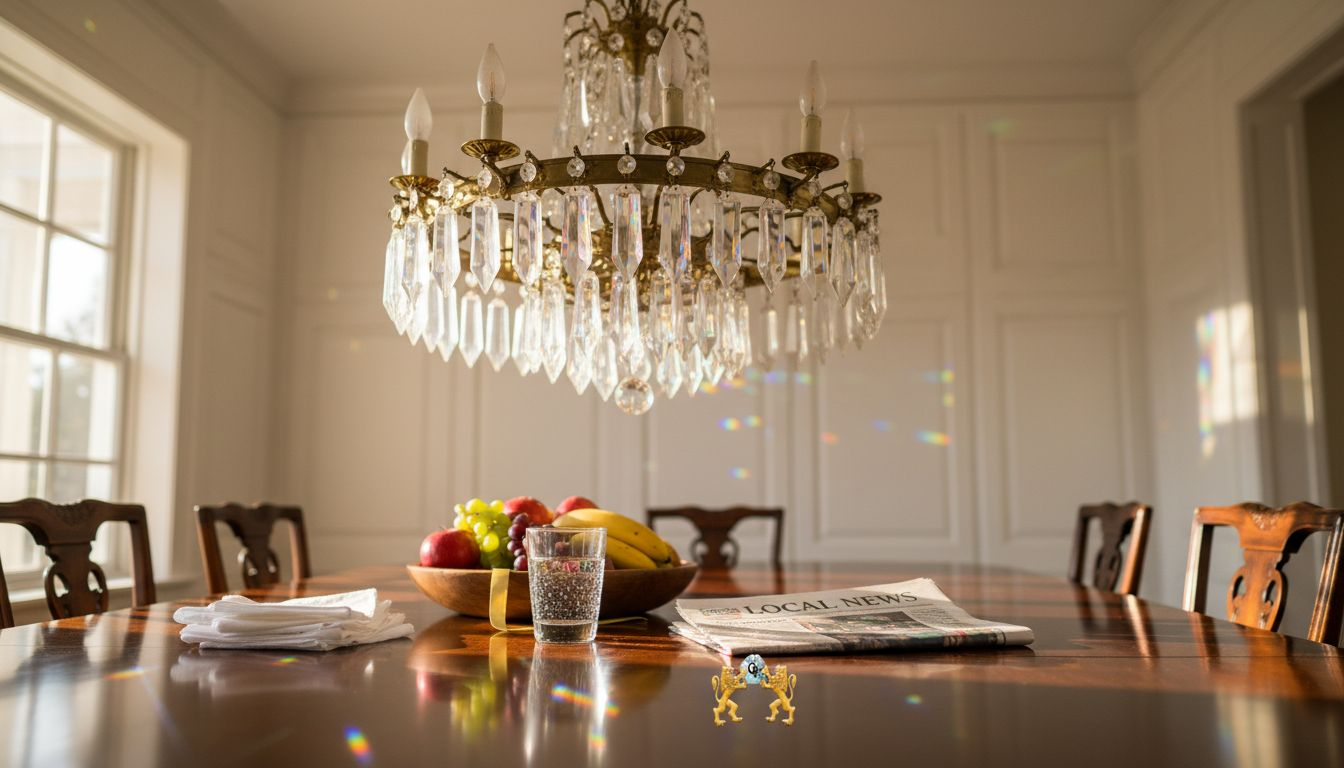
When light passes through crystal, it bends and scatters in multiple directions. This refraction creates dancing patterns across walls and ceilings, generating visual interest that stationary fixtures cannot match.
The Light Refraction Magic
Crystals scatter and refract light, creating a stimulating environment that elevates mood and style. This isn’t just about brightness—it’s about quality of light and how it makes people feel.
Consider what happens in your dining room. A basic ceiling fixture provides flat, uniform illumination. A crystal chandelier creates depth, dimension, and visual richness:
- Multiple light paths: Light bounces through each crystal at different angles
- Shadow patterns: Crystals cast intricate shadows that shift throughout the day
- Color warmth: Warm bulbs gain complexity and elegance through refraction
- Focal point creation: The chandelier becomes a design centerpiece, not background furniture
Crystal chandeliers act as interior design focal points, fundamentally reshaping how people perceive and experience a space.
Design Versatility Across Styles
Crystals work with virtually any interior aesthetic. Modern minimalist spaces gain sophistication from geometric crystal cuts. Traditional homes embrace ornate designs with teardrop and prism shapes.
Your chandelier’s crystal choice communicates style instantly. Clear lead crystal suggests classic elegance. Colored crystals add contemporary flair. Contemporary cuts pair with modern furnishings seamlessly.
When selecting crystals, consider your room’s existing color palette and lighting. Warm white bulbs with clear crystals create inviting ambiance. Cool white tones offer contemporary crispness.
Practical Lighting Benefits
Beyond aesthetics, crystals deliver functional advantages. They amplify available light, reducing the wattage needed for proper illumination. This means lower electricity costs and longer bulb life.
Crystal refraction also reduces harsh shadows that plague standard fixtures, providing balanced illumination across spaces. Your room feels larger, brighter, and more welcoming.
Pro tip: Install dimmers with your crystal chandelier—adjusting brightness lets you shift the mood from bright entertaining to intimate ambiance, maximizing the visual impact of crystal refraction.
Selecting Quality Crystals for Your Chandelier
Choosing quality chandelier crystals means understanding what separates premium pieces from mediocre ones. Your investment in better crystals pays dividends through superior sparkle, longevity, and visual impact.
Quality depends on multiple factors working together. Lead content, clarity, cutting precision, and craftsmanship all contribute to the final result.
Key Quality Indicators
When evaluating crystals, assess these critical attributes:
- Lead oxide content: Higher percentages (24-32%) produce better brilliance and weight
- Clarity: Premium crystals are virtually colorless with no visible impurities or cloudiness
- Cut precision: Facets should be sharp, even, and perfectly polished
- Manufacturing standards: Consistent quality across all pieces in a batch
Quality chandelier crystals depend on lead oxide content, clarity, and cut method, directly affecting brilliance and durability.
Cutting Methods Matter
Crystals can be produced three ways, each offering distinct advantages. Machine-cut crystals deliver precise, uniform facets with consistent polish—ideal for modern fixtures. Hand-cut crystals feature traditional, artisanal cuts that showcase craftsmanship and uniqueness. Hand-blown crystals offer rounded edges and artistic appeal for contemporary designs.
Machine-cut crystals cost less but excel in consistency. Hand-cut pieces command higher prices but deliver character. Your choice depends on your chandelier’s style and your budget.
Brand and Sourcing Considerations
Established manufacturers like Swarovski and Asfour maintain superior standards. They control every production stage, ensuring consistent brilliance and durability.
When selecting crystals, verify the source and ask about certifications. Reputable suppliers provide documentation confirming lead content, manufacturing origin, and quality grades.
Weight capacity matters too. Heavier lead crystals require sturdy fixtures. Confirm your chandelier can support the additional weight before upgrading to premium pieces.
Pro tip: Request samples before ordering bulk quantities—seeing how light interacts with your specific crystal choice under your home’s lighting conditions prevents costly mistakes.
Comparing Crystal Alternatives and Avoiding Pitfalls
Not all chandelier materials are created equal. Understanding the differences between authentic crystals and substitutes protects your investment and prevents expensive mistakes down the road.
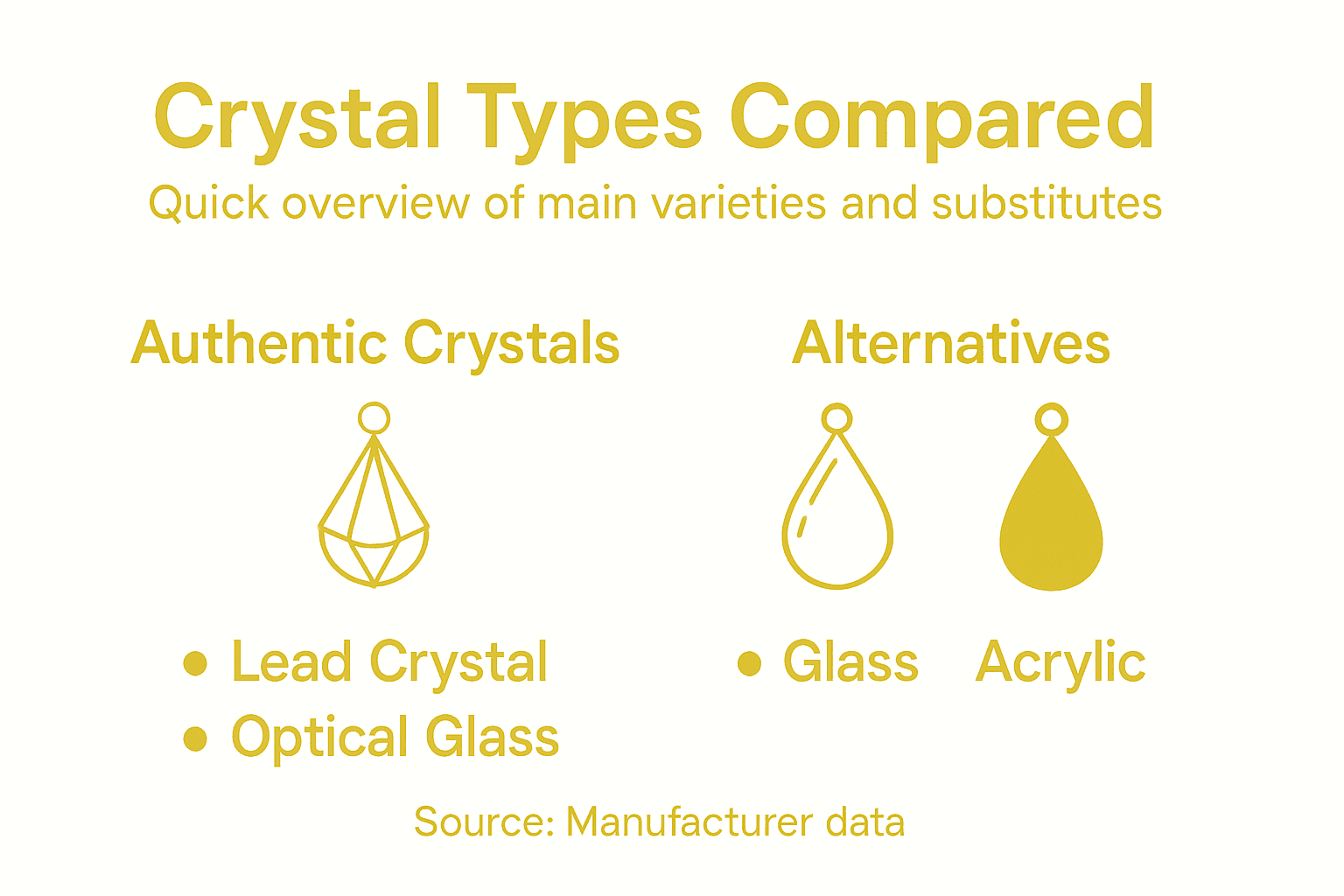
Homeowners often face pressure to choose cheaper alternatives. But cutting corners on crystals leads to disappointing results that undermine your entire fixture’s impact.
Real Crystal vs. Glass and Acrylic
Authentic crystals differ fundamentally from their substitutes:
- Lead crystal: Contains 24-32% lead oxide, creating superior refraction and weight
- Glass: Lacks lead, producing flat light transmission with minimal sparkle
- Acrylic: Plastic material that yellows over time and scratches easily
- K9 glass: Optical glass engineered for refraction but inferior to true crystal
The visual difference appears immediately. Crystal creates dynamic, dancing light patterns. Glass produces stationary illumination. Acrylic looks cheap and dims with age.
Mixing real crystals with glass or acrylic substitutes creates obvious visual inconsistency that catches every observer’s eye.
Common Pitfalls When Replacing Crystals
Many homeowners make avoidable mistakes during restoration. Real crystal replacements ensure your fixture maintains its original beauty and value.
The biggest error is ordering wrong sizes. Crystals come in specific dimensions—measure carefully before purchasing. Ordering by description alone leads to frustration and returns.
Second mistake: buying mismatched pieces. Your chandelier looks disjointed when combining different crystal types or grades. Purchase from consistent sources whenever possible.
Third pitfall: ignoring weight limits. Upgrading to heavier lead crystal may exceed your fixture’s weight capacity, risking structural damage.
Budget-Smart Selection Strategy
Quality doesn’t require breaking the bank. Prioritize visible crystals over interior support pieces. Your guests notice the hanging prisms and strands, not hidden structural elements.
Consider upgrading gradually. Replace worn pieces with premium crystals over time rather than replacing everything at once. This spreads costs while steadily improving overall appearance.
Request detailed specifications from suppliers. Know the lead content, dimensions, and manufacturing standards before committing to purchases.
Pro tip: Keep a detailed inventory of your chandelier’s crystal specifications—type, size, lead content, and purchase source—making future replacements seamless and ensuring perfect matches.
Elevate Your Space with Authentic Chandelier Crystals
Understanding the craftsmanship behind chandelier crystals and their powerful impact on lighting transforms how you choose decorative elements for your home. If you want to avoid common pitfalls like mismatched pieces or poor-quality materials that dull your fixture’s brilliance, trust the experts who specialize in real crystals with superior lead content, cut precision, and lasting sparkle. At Crystal Place, we offer an extensive selection of authentic Swarovski and lead crystals that bring the clarity and elegance your chandelier deserves.
Enhance your lighting with premium crystal prisms and repair parts designed to match the exact quality and cut needed to restore or refresh any fixture. Act now to ensure your chandelier shines with unmatched brilliance and visual impact. Explore our comprehensive collection of chandelier crystals and accessories at Crystal Place. Discover how true crystal craftsmanship elevates both the look and feel of your interior by visiting our page on real crystal replacements and learn more about how to spot real chandelier crystals. Elevate your lighting today with Crystal Place, where authenticity and quality meet your design vision.
Frequently Asked Questions
What are chandelier crystals?
Chandelier crystals are optical glass or crystal prisms designed to refract and amplify light, creating the captivating sparkle characteristic of chandeliers.
How can I tell if my chandelier crystals are authentic?
Authentic chandelier crystals contain 24% or more lead oxide, are noticeably heavier than glass, exhibit superior clarity, and produce a clear ringing sound when tapped gently.
Do chandelier crystals require cleaning?
Yes, chandelier crystals need regular cleaning to maintain their sparkle. Dust and moisture can dull their light-reflecting properties over time.
What are the different types of chandelier crystals?
Common types include Swarovski crystals (high brilliance), lead crystal (high sparkle), lead-free crystal (safe alternative), K9 crystal (affordable and durable), and rock crystal (unique natural look). Each type varies in appearance and price.
Recommended
- Largest Selection of Hanging Chandelier Crystals for Your Inspiration – CrystalPlace
- What Crystals Are Used in Chandeliers? – CrystalPlace
- Hanging Crystals for Chandeliers: Elevate Decor 2025 – CrystalPlace
- Crystal Chandelier Explained: Elegance and Practicality – CrystalPlace
- Diamond Clarity – How It Impacts Ring Value