

Discover which chandelier crystal types deliver the best sparkle, durability, and value. Compare Swarovski, K9, and glass options to transform your home's lighting elegance.
Selecting the right chandelier crystals can transform your space from ordinary to extraordinary, yet the sheer variety of options often overwhelms homeowners and decorators alike. Understanding the differences between crystal types, from premium Swarovski to budget-friendly glass, empowers you to make choices that balance sparkle, durability, and cost. This guide walks you through essential selection criteria, popular crystal varieties, and practical comparisons to help you choose crystals that enhance your home’s elegance while fitting your design vision and budget. You’ll discover how cut quality, material composition, and maintenance needs influence long-term brilliance, ensuring your lighting investment delivers lasting beauty.
Key takeaways
| Point | Details |
|---|---|
| Selection criteria | Cut precision, material type, and clarity determine sparkle and longevity |
| Popular crystal types | Swarovski offers premium quality, K9 balances cost and brilliance, glass suits tight budgets |
| Maintenance matters | Regular gentle cleaning with proper solutions preserves shine and extends crystal lifespan |
| Budget considerations | Higher upfront costs for quality crystals often deliver better long-term value |
| Room-specific choices | Match crystal type to lighting needs, decor style, and ambient natural light |
What to consider when choosing chandelier crystals
Before diving into specific crystal types, you need a clear framework for evaluation. The right selection depends on several interconnected factors that affect both immediate visual impact and long-term satisfaction.
Cut precision stands as the most critical factor influencing sparkle. Quality crystal cuts increase sparkle by up to 40%, making the difference between dull reflections and dazzling light displays. Precision faceting creates multiple surfaces that refract light at optimal angles, producing the rainbow prisms and brilliant flashes that make chandeliers captivating. Machine-cut crystals offer consistency, while hand-cut options provide artisanal variation.
Material composition directly impacts optical performance and price point. Lead crystal contains at least 24% lead oxide, which increases refractive index and creates superior brilliance. K9 crystal, a popular alternative, uses potassium oxide instead of lead while maintaining excellent optical properties. Standard glass crystals lack these additives, resulting in lower refraction but significantly reduced costs. Understanding these material differences helps you align your budget with desired sparkle levels.
Clarity determines how cleanly light passes through and disperses from each crystal. Premium options feature minimal internal flaws, bubbles, or cloudiness that might interrupt light paths. Lower-grade crystals may contain visible imperfections that reduce brilliance and create inconsistent lighting effects. Inspect crystals closely under bright light to assess clarity before purchasing.
Durability factors include scratch resistance, color stability, and structural integrity. Higher-quality crystals resist yellowing and maintain their facet sharpness over decades. Budget options may develop surface scratches or lose clarity faster, requiring more frequent replacement. Consider your chandelier’s location and how often you’ll clean it when weighing durability needs.
Size and shape considerations ensure visual harmony with your fixture design. Larger crystals make bold statements in spacious rooms, while smaller pieces suit intimate settings. Common shapes include teardrops, octagons, pendalogues, and balls, each creating distinct light patterns. The chandelier crystal brilliance guide offers detailed shape recommendations for different design styles.
Pro Tip: Bring paint swatches or fabric samples from your room when shopping for crystals. This helps you visualize how different crystal types will interact with your existing color palette and lighting conditions.
Key selection criteria include:
- Cut quality and facet count for maximum light refraction
- Material composition affecting refractive index and brilliance
- Clarity level determining light transmission quality
- Durability for long-term shine retention
- Size and shape matching your fixture design and room scale
Popular types of chandelier crystals
Three main crystal categories dominate the chandelier market, each offering distinct advantages for different priorities and budgets. Understanding their specific characteristics helps you identify which type aligns best with your project requirements.
Swarovski crystals represent the premium tier, renowned for their exceptional optical clarity and precision engineering. Swarovski crystals offer premium clarity and facet precision, achieved through proprietary cutting techniques and strict quality control. These Austrian-made crystals feature a refractive index of 1.7, higher than most alternatives, creating intense rainbow effects and brilliant sparkle. Their machine-cut facets align perfectly, ensuring consistent light performance across every piece. Swarovski works beautifully in formal dining rooms, entryways, and spaces where lighting serves as a focal point.
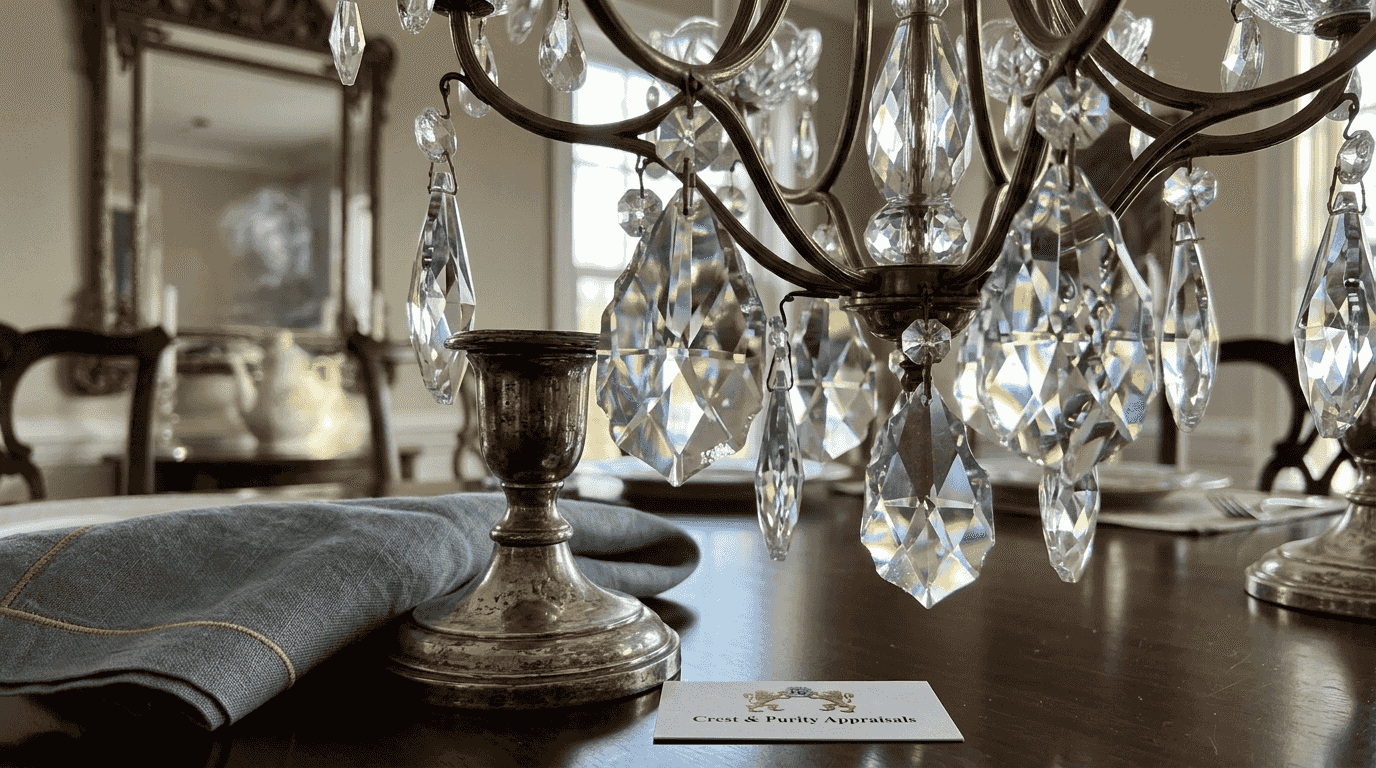
K9 crystals provide an attractive middle ground between premium and budget options. K9 crystals balance affordability and sparkle, using optical-grade glass with potassium content that enhances refraction. While not matching Swarovski’s precision, quality K9 crystals deliver impressive brilliance at roughly half the cost. They suit living rooms, bedrooms, and commercial spaces where you want notable sparkle without luxury pricing. The Swarovski vs K9 crystal comparison reveals minimal visual differences in many lighting conditions, making K9 a smart choice for budget-conscious projects.
Glass crystals occupy the economy segment, offering basic light refraction at accessible prices. Quality varies widely among glass options, from decent alternatives to poorly-cut pieces that barely sparkle. Better glass crystals use clearer materials and more facets to improve performance, while bargain versions may appear cloudy or create weak reflections. Glass works for rental properties, secondary rooms, or temporary installations where you need acceptable appearance without significant investment.
Pro Tip: Mix crystal types strategically by placing premium Swarovski pieces in high-visibility positions where light hits directly, and using K9 crystals in shadowed areas where differences become less noticeable.
Crystal type comparison:
| Type | Sparkle Level | Price Range | Best Use |
|---|---|---|---|
| Swarovski | Exceptional | Premium | Formal spaces, focal fixtures |
| K9 | Very Good | Moderate | Living areas, general lighting |
| Glass | Fair to Good | Budget | Secondary rooms, rentals |
Comparing chandelier crystals: sparkle, budget, and care
Balancing performance against cost and maintenance requirements helps you make practical decisions that deliver satisfaction over years of use. Each crystal type presents different trade-offs worth examining closely.
Cost analysis extends beyond initial purchase price to include replacement frequency and cleaning needs. Swarovski crystals command premium prices but rarely need replacement, potentially offering better lifetime value than cheaper options requiring frequent updates. K9 crystals provide excellent cost-performance ratios for most residential applications. Glass crystals minimize upfront investment but may need replacement sooner if quality suffers.
Maintenance routines differ based on crystal composition and finish. With proper care, 65% of crystal chandeliers retain their shine long-term, making cleaning practices crucial for preserving your investment. Swarovski and K9 crystals tolerate gentle cleaning solutions well, while some glass crystals may show water spots or streaking more readily. The crystal chandelier maintenance guide provides detailed cleaning protocols for each crystal type.
Sparkle longevity depends on material hardness and environmental factors. Premium crystals resist scratching and maintain facet sharpness decades longer than softer alternatives. Kitchens and bathrooms with higher humidity may accelerate deterioration in lower-quality crystals. Consider your chandelier’s environment when selecting materials.
Budget allocation strategies can maximize visual impact without overspending. Invest in premium crystals for the bottom tier where eye level viewing occurs, using mid-range options for upper sections. This targeted approach delivers impressive results while controlling costs. Alternatively, choose one stunning Swarovski chandelier for your main space and use K9 fixtures elsewhere.
Pro Tip: Create a cleaning schedule based on crystal type and room use. High-traffic areas need quarterly attention, while formal spaces used occasionally can go six months between cleanings without losing brilliance.
Maintenance considerations:
- Use pH-neutral solutions designed specifically for crystals
- Avoid ammonia-based cleaners that can cloud or damage coatings
- Dry crystals thoroughly to prevent water spots
- Handle pieces gently to avoid scratching facets
- Remove crystals annually for deep cleaning and inspection
| Factor | Swarovski | K9 | Glass |
|---|---|---|---|
| Initial Cost | High | Medium | Low |
| Sparkle Quality | Exceptional | Very Good | Variable |
| Durability | Excellent | Good | Fair |
| Maintenance Needs | Low | Low to Medium | Medium |
| Replacement Frequency | Rarely | Occasional | More Often |
Choosing the right chandelier crystals for your space
Translating crystal knowledge into confident purchasing decisions requires matching technical specifications to your specific design goals and practical constraints. This systematic approach ensures your selection enhances your space effectively.
Assess your room’s dimensions and ceiling height first. Larger spaces with high ceilings accommodate bigger crystals that create dramatic effects, while compact rooms need smaller, more delicate pieces to avoid overwhelming the space. Measure your chandelier’s placement relative to seating areas and traffic patterns to determine optimal crystal sizes and hanging lengths.
Match crystal characteristics to your decor style and color scheme. Traditional interiors pair beautifully with classic teardrop and pendalogue shapes in clear crystal. Modern spaces often benefit from geometric cuts or colored crystals that add contemporary flair. Proper selection enhances your home’s ambiance significantly, creating cohesive design flow between lighting and furnishings. Review chandelier crystal brilliance examples to see how different types perform in various settings.
Evaluate natural light conditions throughout the day. South-facing rooms with abundant sunlight showcase crystal brilliance spectacularly, justifying investment in premium options. North-facing spaces with limited natural light may not reveal subtle differences between Swarovski and quality K9 crystals, making mid-range choices more practical. Consider how artificial lighting interacts with crystals during evening hours when you’ll use your chandelier most.
Budget allocation requires honest assessment of priorities. If your chandelier serves as the room’s centerpiece, allocating more budget to crystal quality makes sense. Secondary fixtures in hallways or guest rooms can use more economical options without compromising overall design integrity. Set a realistic total budget, then work backward to determine which crystal type fits while leaving room for installation and accessories.
Pro Tip: Order sample crystals before committing to full chandelier purchases. Hang samples in your actual space at different times of day to observe how they interact with your specific lighting conditions and decor.
Decision-making checklist:
- Measure your space and determine appropriate crystal sizes
- Identify your design style and preferred crystal shapes
- Assess natural and artificial lighting conditions
- Set a realistic budget including installation costs
- Compare crystal types against your specific requirements
- Order samples to test in your actual environment
- Purchase from reputable suppliers offering quality guarantees
Enhance your home with premium chandelier crystals from CrystalPlace
Now that you understand how to evaluate and select chandelier crystals, finding quality pieces from a trusted source becomes your next step. CrystalPlace specializes in authentic Swarovski and premium crystal prisms for chandeliers, offering the exact types discussed throughout this guide.
Our curated selection includes precision-cut crystals in every popular shape and size, from classic teardrops to modern geometric designs. Whether you’re restoring a vintage fixture or creating a custom chandelier, you’ll find authentic materials that deliver the brilliance and clarity your project deserves. We source directly from manufacturers, ensuring you receive genuine crystals backed by quality guarantees. Beyond chandelier components, explore our crystal ornament and rainbow makers to add sparkling accents throughout your home. Free shipping on orders over $22 makes upgrading your lighting both beautiful and practical.
FAQ
Which crystals sparkle the most in chandeliers?
Swarovski crystals generally offer the highest sparkle due to their precision cuts and superior refractive index of 1.7. Their machine-cut facets align perfectly to maximize light refraction and create intense rainbow effects. K9 crystals also produce excellent brilliance at lower cost, making them attractive alternatives for many applications.
How do I maintain chandelier crystals to keep their shine?
Regular gentle cleaning with pH-neutral solutions designed specifically for crystals retains shine effectively. Clean every three to six months depending on room use and environmental conditions. Avoid harsh chemicals, ammonia-based cleaners, or abrasive materials that can dull surfaces or damage protective coatings. Always dry crystals thoroughly to prevent water spots.
Are Swarovski crystals worth the extra cost?
Swarovski offers superior clarity, precision cuts, and exceptional durability that justify higher prices for focal fixtures and formal spaces. Their crystals maintain brilliance for decades with minimal maintenance. For high-visibility applications where lighting serves as a design centerpiece, Swarovski delivers unmatched performance. Budget-conscious projects may achieve satisfactory results with quality K9 alternatives.
Can I mix different types of crystals on one chandelier?
Mixing crystal types is possible and can be strategic for budget management. Place premium Swarovski pieces in high-visibility positions where direct light hits, using K9 crystals in shadowed areas. Ensure visual harmony by matching cuts, shapes, and colors across different crystal grades. Avoid extreme quality differences that create noticeable inconsistencies in sparkle or clarity.
Recommended
- Chandelier Crystals: Transforming Home Lighting Elegance – CrystalPlace
- Role of Chandelier Crystals: Enhancing Light and Elegance – CrystalPlace
- Hanging Crystals for Chandeliers: Elevate Decor 2025 – CrystalPlace
- Examples of chandelier crystals to enhance brilliance – CrystalPlace